

FOREST PATH PSYCHEDELIC THERAPY:
Step into the symphony of your inner world
Lake Atitlan, Guatemala
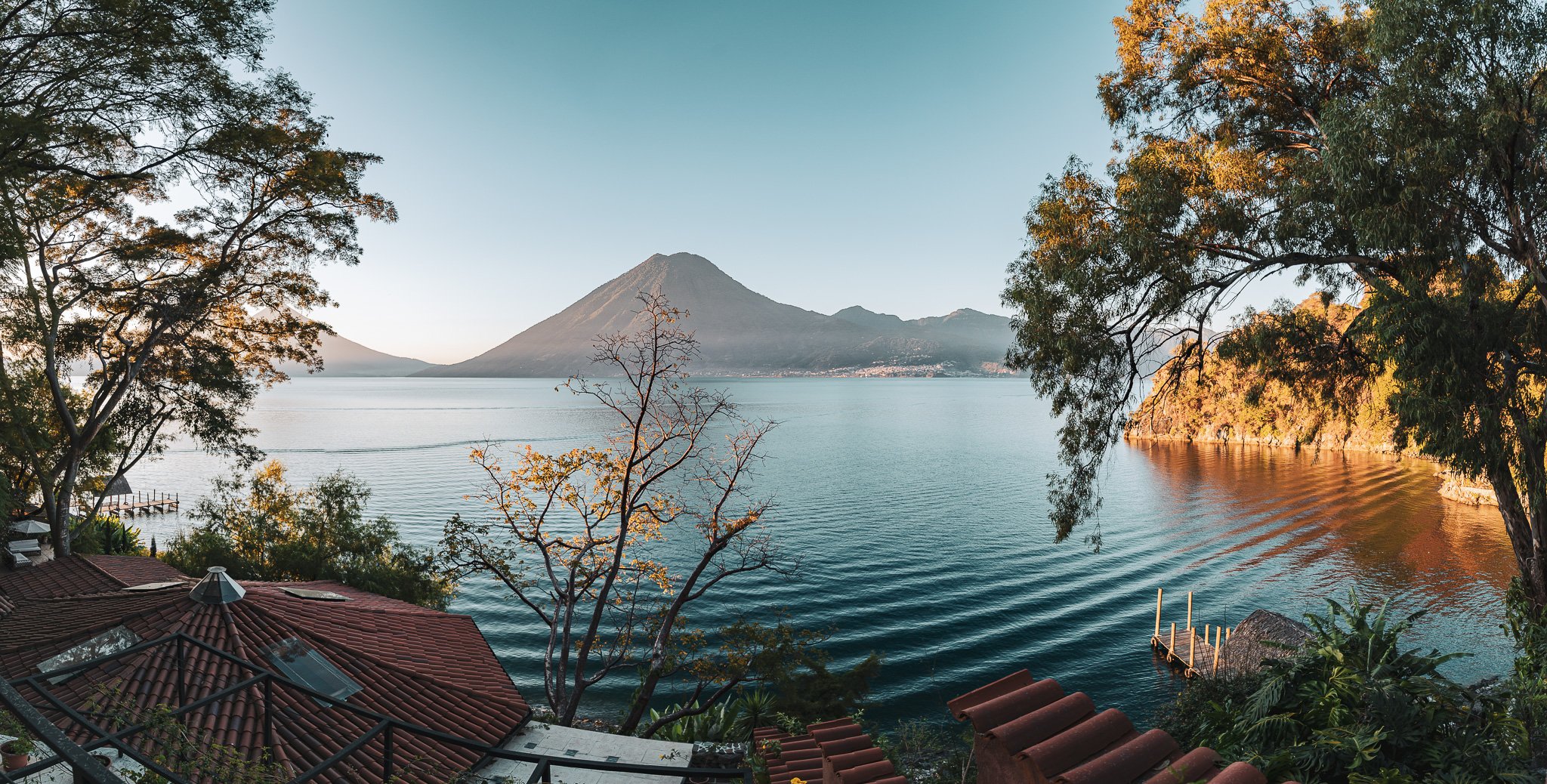
We specialise in the use of entheogenic plants and substances for healing and personal growth and have served our community in this unique realm for many years. We have facilitated hundreds of rituals for people from all walks of life and corners of the world seeking spiritual, emotional, and psychological well-being.
At our centre, we are committed to maintaining the highest standards of safety and ethics in all our practices. We believe in providing a safe and supportive environment for our clients while respecting the power and potency of the entheogenic plants and substances we work with. Our mission is to act as a bridge between worlds, so to speak, combining the traditional and alternative approaches to healing with the Western and clinical models, and serving as a warm voice of heart and reason where the modern and the ancient intersect.
Psychedelic-assisted therapy has the potential to transform lives and create positive change on a global scale. We are dedicated to sharing our expertise and knowledge with those who seek our services, and we are committed to the ongoing growth and development of the field of psychedelic-assisted therapy as it becomes urbanised, modernised, and normalised.
Your safety is a priority in the therapeutic setting, and we are there to support you with our undivided presence throughout the session. Your process in the session is 100% confidential, respected, and valued.
Please note that all therapy sessions, substances, stacks, protocols and routes of administration are evaluated and determined by the lead therapist based on the unique needs of each individual. The specific substances used may vary depending on the individual's personal circumstances, as well as the laws and regulations of the country and state in which the therapy is being conducted.
Session Dates Available at Lake Atitlan, Guatemala:
January to June 2026
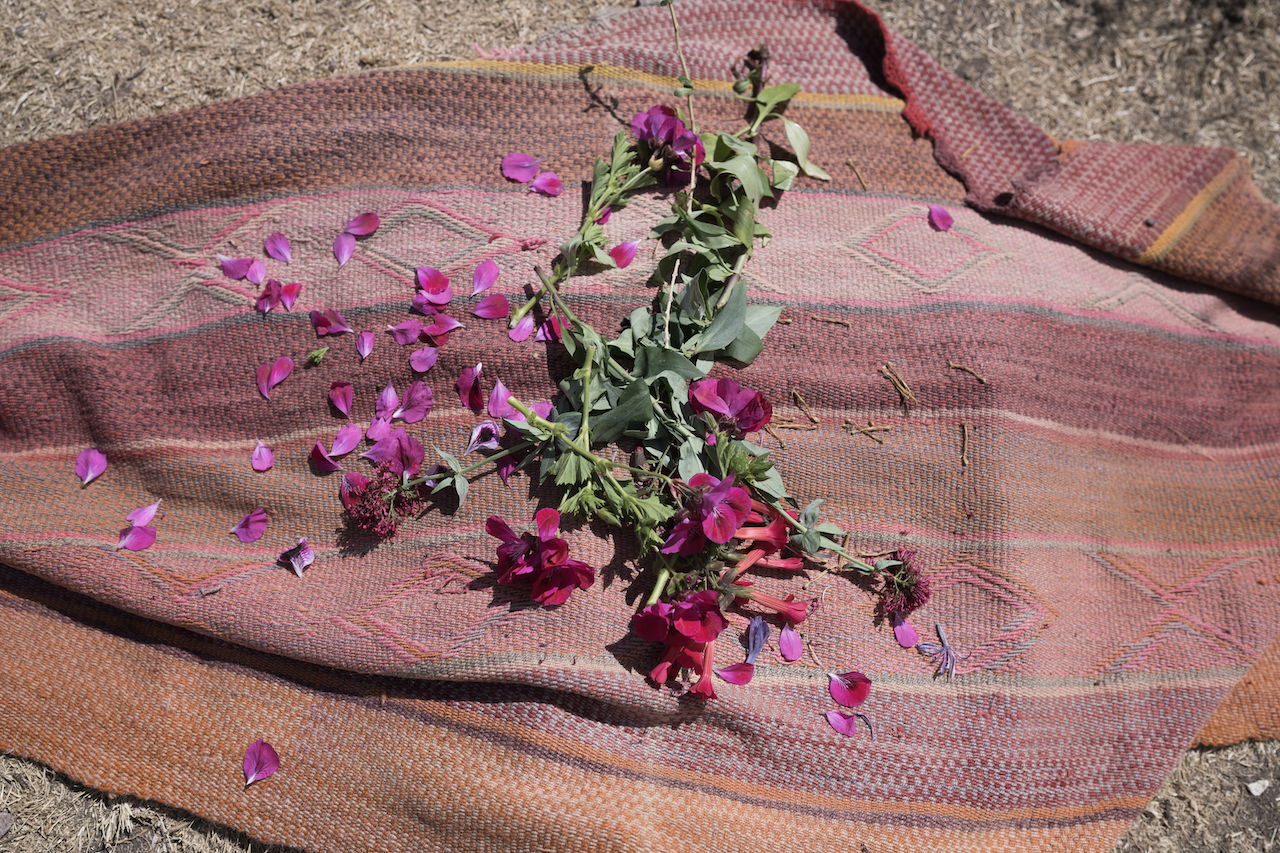
What to Expect During a Psychedelic Therapy Session at Lake Atitlan, Guatemala…
During a therapeutic session, you can anticipate a primary period focused on introspection and relaxation. You'll be invited to lie down with an eye mask and headphones, allowing you to immerse yourself in a carefully curated playlist. This setup effectively eliminates external distractions and wandering thoughts, enabling the experience to unfold naturally, guided by your own inner world.
Throughout this time, one or both facilitators will provide their undivided attention, offering support, encouragement, and personalised assistance, talk therapy and somatic aspects as needed as you delve deeper into your being.
Meet our Psychedelic Therapy Practitioners in Guatemala…
-
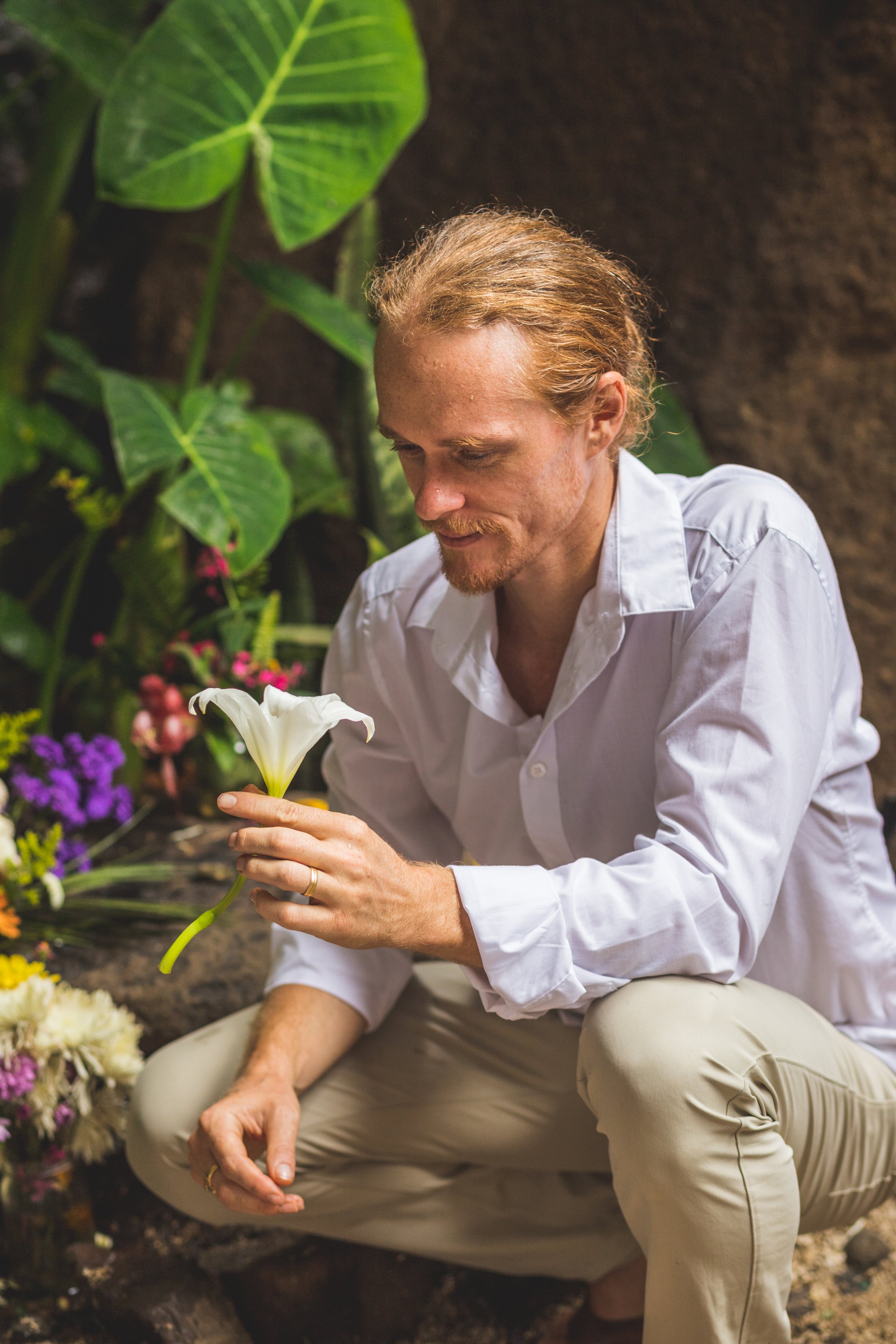
Jaya
Jaya embarked on a contemplative path at a young age, shaped by impactful memories that shaped his worldview. His teachings stem from the world's wisdom traditions, expressed with clarity and authenticity.
At 10, he discovered the Upanishads, and by 14, psychedelics. By 22, he was guiding intimate initiations into both realms. Serving Ayahuasca since 2015, Jaya's teachings come alive through living rituals. He draws wisdom from Buddhism (Zen, Mahamudra & Dzogchen), the shamanic schools of curanderismo, and the syncratic psychedelic churches of the forest that work with Ayahuasca.
Jaya is a beacon of wisdom, provoking an inquiry into the nature of reality. His heartfelt approach invites others to explore their inner depths, pay attention and be humble on this path.
Learn more about Jaya’s journey here.
-

Paula Afonso
Paula is a Portuguese medicine woman who embarked on her journey of self-realization at the age of 19. Over the years, she has wholeheartedly dedicated herself to the healing of her own physical and emotional well-being, acquiring invaluable knowledge that she now shares with others to aid in their own personal growth.
Through her deep devotion and exploration of mystic rituals, massage therapy, yoga, Ayurveda, and various shamanic practices, Isis has become a conduit for healing and transformation. Her compassionate nature and nurturing spirit embody the essence of the divine mother, providing solace and guidance to those in need.
For the past 3 years, Paula has actively participated in forest path ceremonies, lending her wisdom and energy to these profound experiences. Additionally, she serves as an integration and trauma coach, assisting individuals in navigating their healing journeys with grace and resilience.
Learn more about Paula’s journey here.
Packages Available in Guatemala…
Single Session Psychedelic Assisted Therapy Package (US$1850)
One night accommodation
Full Day 6-8 hr Session (two therapists present)
Preparation, Intake, Interview
Integration session
Administration and expertise on stacking protocols (combining two or more substances)
Supplements pre and post session
One night Lakefront Guest House accommodation to integrate
Dinner and breakfast
Signature Psychedelic Assisted Therapy Package (US$2750)
Two nights accommodation
One Full Day 6-8 hr Session (two therapists present)
Preparation, Intake, Interview
One Integration Session
Administration and expertise on stacking protocols (combining two or more substances)
Supplements pre and post sessions
2 nights Lakefront Guest House Accommodation
Meals- dinner after each session and breakfasts the following mornings
Relaxed Mornings by the Lake; Paddleboard/ Kayak access
Please note that all therapy sessions, substances, stacks, and routes of administration are evaluated and determined by the lead therapist based on the unique needs of each individual. The specific substances used may vary depending on the individual's personal circumstances, as well as the laws and regulations of the country and state in which the therapy is being conducted.
Hear from our Past Participants…
“My life has been profoundly transformed since beginning my journey with Forest Path, guided by the incredible wisdom and skills of Jaya and Paula. For 54 years, I carried the weight of pain, sorrow, and guilt, but through their guidance, I was able to finally let go and embrace a new narrative for my life. The old story I clung to is now lost, replaced by a vision of a future filled with more love, more laughter, and more living.
Jaya and Paula have not only helped me release the burdens of my past, but they have also illuminated my path forward. Since our journeys together, I’ve experienced a newfound beauty in life, a light that now animates my existence in ways I never thought possible. The changes I’ve undergone are so profound that words can hardly express my gratitude. I can never fully repay them for the gift they’ve given me—a life reborn with hope, joy, and endless possibilities.
Thank you, Jaya and Paula, for everything. My life will never be the same, and I am forever grateful.” H. Rosen
“I just want to say how grateful I am to have met you on my path and how much your words and your wisdom change my vision of me and of the world. You have brought me back to life and I will always be grateful for it.
You are incredibly gifted to help people navigate themselves and find a way out, find love and light, to heal.
Thank you for sharing your gift and helping me.” – J.Desrosiers
“In May of 2024, I ventured to the Forest Path out on Lake Atitlan and participated in two private psychedelic therapy sessions with Jaya and Paula. The experience overall was incredibly profound. The screening process prior was thorough, inquisitive, and very intentional in assuring my safety and current state of mind. I felt so incredibly nurtured the entire time I was in this process.
The medicine was remarkable in its work, taking me deep into spaces and wounds that had been closed off for nearly a decade. Jaya and Isis provided an environment that was safe to express authenticity, warm, supportive, and nurturing. They had all they needed in preparation to ensure my experience was met with adequate compassion and care on both a physical and mental level.
If you are seeking an opportunity to reset and transform, I highly recommend The Forest Path in all that they do. Taking place in a private and intimate journey into my own mind was exactly what I needed at the time and I will always be grateful for this special experience.” - K. Bird
Are you ready for your journey in Guatemala?
Step 1: Fill out the application form here.
Step 2: Pay the USD$50 interview fee and set up a 60 minute interview with our team to go over intake & preparation with you.
Step 3: We will set up a preparation call two weeks prior to the in-person sessions with your therapist.
Step 4: Attend your in-person sessions at select locations in Guatemala.
Step 5: We will set up an integration session via Zoom
Frequently Asked Questions about Psychedelic Therapy…
-
Psychedelic therapy is a powerful approach to healing and growth that utilizes carefully administered psychedelic substances to facilitate therapeutic experiences. These substances, such as psilocybin or MDMA, can induce altered states of consciousness that promote self-reflection, emotional processing, and insights into one's thoughts, emotions, and past experiences.
-
Engaging in psychedelic-assisted therapy is an endeavour that can be compared to activities like scuba-diving or sky-diving, as it involves exploring the depths of your own consciousness. It is important to acknowledge that, similar to any profound experience, there are risks associated with this therapeutic approach. However, selecting a reliable and experienced provider can significantly minimize these risks. It is crucial to be well-informed about the potential challenges involved to make an informed decision. Here are some key points to consider:
Psychological Vulnerability: Psychedelic-assisted therapy can bring forth intense emotions and memories. If you have a history of severe mental health conditions such as schizophrenia, psychosis, or bipolar disorder, it is crucial to consult with a healthcare professional before embarking on this therapy. They can help evaluate your suitability and guide you accordingly.
Challenging Experiences: During a psychedelic session, you may encounter challenging and uncomfortable emotions or sensations. This can include feelings of anxiety, fear, sadness, or confusion. These experiences, while difficult, can also provide an opportunity for growth and healing. It is important to have a skilled therapist or facilitator who can guide and support you through these challenging moments.
Safety Precautions: Psychedelic substances can have physiological effects on the body. Depending on the substance used, there may be potential risks to consider, such as increased heart rate, blood pressure changes, or nausea. A responsible provider will conduct a thorough screening process to ensure your physical health and safety. They will also create a suitable environment, with proper supervision and emergency protocols in place.
Integration Challenges: After the psychedelic experience, the integration phase begins, which involves making sense of and integrating the insights and emotions that emerged during the session into your daily life. This integration process can sometimes be challenging and may require ongoing support. A skilled therapist will provide guidance and resources to help you navigate this phase effectively.
Individual Variations: Each person's response to psychedelics is unique, and there are individual variations in terms of how people process and integrate the experience. It is important to have realistic expectations and recognize that outcomes can vary from person to person.
To mitigate these risks, it is crucial to work with qualified professionals who have extensive training and experience in psychedelic-assisted therapy. They will adhere to ethical guidelines and provide a safe and supportive environment throughout the entire process. Open communication, thorough assessment, and comprehensive preparation are key elements of a responsible and effective psychedelic-assisted therapy practice.
-
In the realm of psychotherapy, the exploration of non-ordinary states of consciousness has gained interest, prompting research on the potential of psychedelic substances. Among these substances, 3-MMC, a synthetic cathinone drug, has recently emerged as a candidate for therapeutic use. This article delves into the therapeutic benefits of 3-MMC, shedding light on its mechanisms, safety profile, and potential as a tool for healing and growth.
3-MMC, also known as 3-Methylmethcathinone, is a synthetic entactogen with mild stimulant properties. Structurally resembling the cathinone class of compounds derived from the khat plant, 3-MMC exhibits effects lasting from five to seven hours. A recommended therapeutic dose ranges from 100-150mg, with a booster dose of 75-100mg. The effects typically manifest within 35-45 minutes after oral consumption.
The entactogenic nature of 3-MMC renders it suitable for therapy sessions. It operates by increasing the release of dopamine and norepinephrine in the brain, resulting in mild euphoria and heightened sociability. Additionally, it soothes the brain's fear centers, fostering a state of alert calmness. 3-MMC also amplifies the significance of positive emotions while building resilience to negative emotions, facilitating the resolution of difficult emotions and trauma.
Functioning as an entactogen/empathogen, 3-MMC can mitigate shame and denial, enabling the exploration and healing of deeply suppressed or concealed memories, regrets, and challenging emotions. Its effects create a therapeutic container that supports the renegotiation of difficult and traumatic material, fostering profound healing.
When used therapeutically at recommended dosages, 3-MMC poses minimal risk of addiction. Studies conducted by MAPS, a nonprofit organization dedicated to responsible psychedelic use, revealed that none of the 117 participants who underwent MDMA-assisted psychotherapy for PTSD developed MDMA substance use disorder. Additionally, occasional use of 3-MMC yields minimal withdrawal symptoms.
While reports of anxiety associated with 3-MMC exist, the drug itself is not known to cause anxiety. Instead, it is speculated that anxiety may arise from the resurfacing of previously hidden or contained trauma. It is crucial to acknowledge the potential unveiling of suppressed trauma energy, feelings, and memories before embarking on a healing journey with this substance. Adequate support and resources are necessary to manage any uncovered trauma.
There is also a slight possibility of 3-MMC inducing a profound awakening experience characterized by ego dissolution and the realization that one's identity may differ from previous perceptions. This experience can lead to a temporary or partial loss of one's former personality. Integrating this transformative experience may take several months, and for those inclined towards spirituality, ego loss is often a sought-after goal of their practice.
In conclusion, while specific endorsements of substances are not provided, when used in the appropriate context and with intention, substances like 3-MMC hold the potential to facilitate profound self-discovery, unveil truths about oneself and the world, and foster healing and personal growth. However, caution, respect, and the guidance of trained therapists are essential when utilizing such powerful tools.
-
The legality of psychedelic therapy varies across countries and jurisdictions. Here is a general overview:
United States: As of September 2021, psychedelic therapy is not federally legal in the United States. However, there are some exceptions. For instance, the Food and Drug Administration (FDA) has granted breakthrough therapy designation to substances like psilocybin and MDMA for specific clinical trials. Additionally, several cities and states, such as Denver, Oakland, Santa Cruz, Ann Arbor, and Oregon, have decriminalized or taken steps toward decriminalizing psychedelics.
European Union: The legality of psychedelic therapy varies across European countries. For example, the Netherlands allows the use of psilocybin truffles under specific conditions, while Portugal has decriminalized the personal use of all drugs. Some countries, such as Switzerland and the Czech Republic, allow certain forms of psychedelic therapy under specific regulations. Others, like Germany and Spain, permit psychedelic therapy within clinical research settings.
South America: Countries like Brazil, Peru, and Costa Rica have traditions of working with plant medicines, including ayahuasca and peyote, which are used in traditional contexts. The legal status of these substances may vary, and in some cases, they may be legal within religious or spiritual contexts.
Other Countries: The legal status of psychedelic therapy varies across the globe. Some countries, such as Jamaica and Mexico, have taken steps to facilitate the use of psychedelics in therapeutic or spiritual practices. Other countries may have stricter regulations or classify psychedelics as illegal substances.
-
MDMA therapy, also known as empathogen-assisted psychotherapy, has emerged as a promising treatment modality for various mental health conditions. This groundbreaking approach has gained significant attention for its potential to alleviate symptoms of post-traumatic stress disorder (PTSD) and provide healing to individuals who have experienced deep emotional wounds. In recent years, the field of MDMA therapy has received substantial funding, allowing for further research and the development of comprehensive treatment protocols such as the MAPS protocol.
The Multidisciplinary Association for Psychedelic Studies (MAPS) has been at the forefront of advancing MDMA-assisted psychotherapy. Through the MAPS protocol, a sophisticated and structured treatment approach has been established, ensuring the safe and effective integration of MDMA into therapeutic settings. This protocol involves preparatory sessions, followed by three MDMA-assisted therapy sessions, and concludes with integration sessions. The meticulous nature of the protocol aims to create a supportive environment that facilitates deep emotional exploration, healing, and personal growth.
Empathogens, such as MDMA, have profound effects on the brain, primarily by increasing the release of serotonin, dopamine, and norepinephrine. These neurochemical changes result in heightened emotional responsiveness, empathy, and a sense of well-being. MDMA therapy utilizes these empathogenic properties to create a therapeutic alliance between the therapist and the patient, enhancing emotional introspection and facilitating the reprocessing of traumatic memories in a safe and supported environment.
The focus of much research in the field of MDMA therapy has been on its application in treating PTSD. Clinical trials have consistently demonstrated the potential of MDMA-assisted psychotherapy in reducing PTSD symptoms and facilitating long-term recovery. Recent studies have yielded promising results, offering hope to individuals who have not responded adequately to conventional treatments. The positive outcomes of MDMA therapy have been particularly significant for army veterans and frontline workers who frequently face high levels of stress and trauma.
The growing recognition of the potential benefits of MDMA therapy has led to increased funding and support for further research. This financial investment has enabled researchers, therapists, and policymakers to expand the accessibility and integration of MDMA therapy into mainstream mental health care. In Australia, MDMA therapy has gained legal recognition, while in the United States, it is expected to receive FDA approval by 2024.
While the positive narratives surrounding MDMA therapy are compelling, it is crucial to emphasize the importance of responsible use and adherence to established protocols. MDMA therapy should always be conducted under the guidance of trained professionals, with strict adherence to safety measures and ethical guidelines. By maintaining a balanced perspective and continuing rigorous research, the field of MDMA therapy can continue to evolve and provide transformative solutions for individuals seeking psychedelic-assisted therapy.
With increasing funding and legal recognition in countries like Australia and the forthcoming FDA approval in the United States, MDMA therapy is poised to revolutionize mental health care and provide new avenues of hope for those in need.
-
Learn more about the wide range of substances and their spiritual and physical effects here.
-
We always recommend that you first seek counsel from your current doctor or therapist and openly discuss your intention to explore this route. It is important to clarify your reasons for pursuing psychedelic-assisted therapy. If you decide to work with us, you must complete an application form and provide medical information. This process helps us evaluate whether we are the right fit for working together.
-
The primary period of your therapy session focuses on introspection and relaxation. You'll be invited to lie down with an eye mask and headphones, allowing you to immerse yourself in a carefully curated playlist. This setup effectively eliminates external distractions and wandering thoughts, enabling the experience to unfold naturally, guided by your own inner world.
Throughout this time, one or both facilitators will provide their undivided attention, offering support, encouragement, and personalised assistance as you delve deep into your being.
-
To prepare for your psychedelic therapy experience, it’s essential to tend to your body, mind, and environment with care and intention. Begin with daily mindfulness practices such as meditation, journaling, and gentle movement to ground your nervous system and build emotional resilience. Leading up to your session, nourish yourself with healthy food, get ample rest, and create a calm, supportive environment. On the day of treatment, follow dietary guidelines, wear comfortable clothing, and bring essentials like a journal and water. During the session, you’ll be supported by trained facilitators and guided through an introspective process with music, therapeutic techniques, and optional spiritual practices. Integration afterward is just as important—plan for rest, minimize obligations, and allow emotions, insights, or even discomfort to arise without judgment. Support your healing with compassion, time in nature, and creative expression. Remember, the experience may continue unfolding for months, so be gentle and open with yourself throughout the journey.